

How is Mom?

Donna Nichols • May 6, 2024
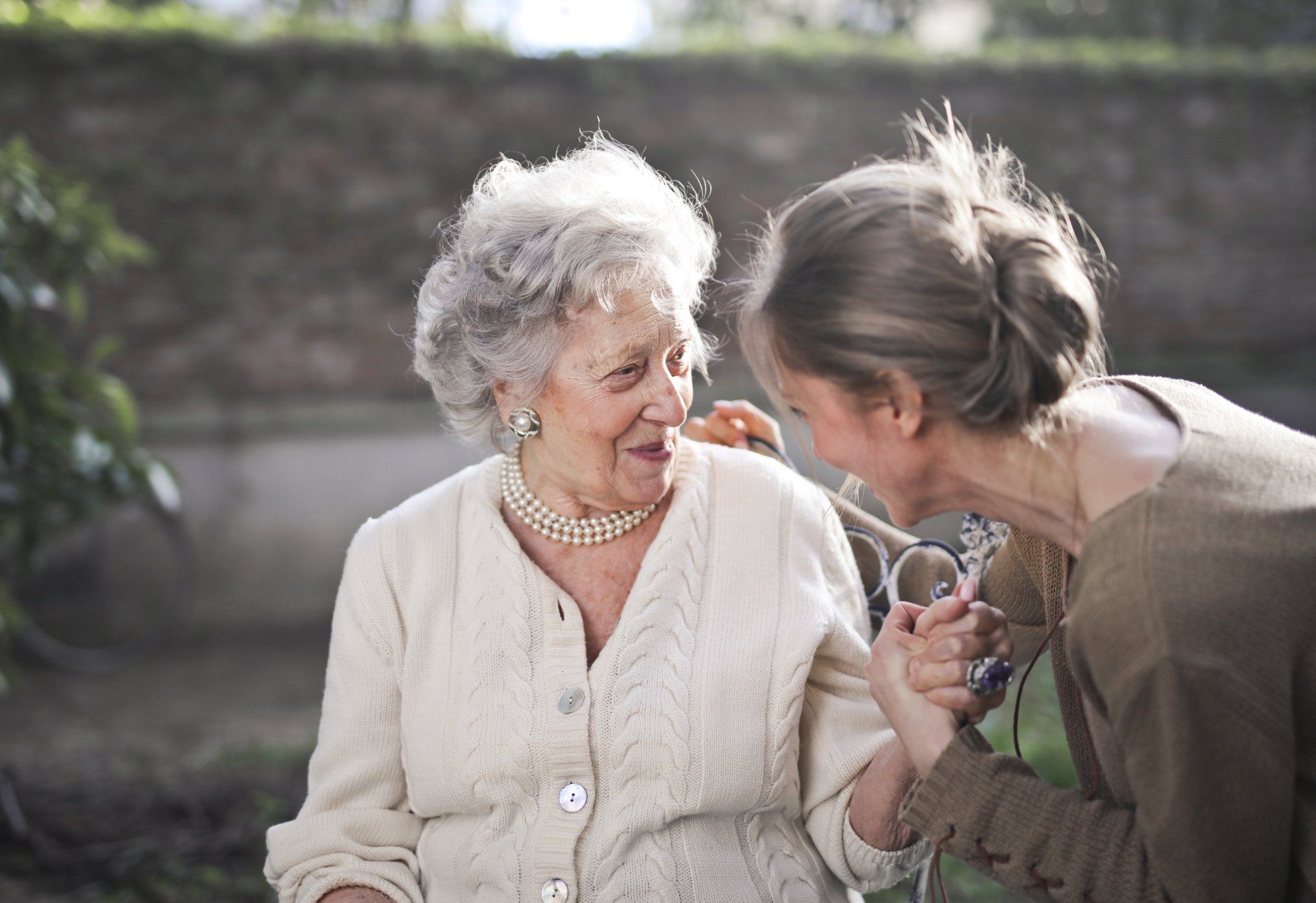
An elderly woman in a wheelchair is being helped by a younger woman.

Mother’s Day is just a few days away and do you know how your mom is? If you’re planning to spend some time with her this Sunday, please take time to check out how she’s doing. Check things like is her mail piling up, is she having a tough time getting around, is she more forgetful than she used to be?


Check her medications to see if they’re being skipped, see if you can peek at her checkbook to ensure it’s not in disarray. Notice her clothes and makeup, is she as “put together” as is normal for her? Is she starting to shuffle when she walks? Are her shoes on the correct feet? Look for any signs that mom is not doing as well as she used to and living alone isn’t the safest for her any longer.


Did you ever think the best gift you could give mom is moving her into an assisted living community? Mom would have care available to her when she needed it, and you wouldn’t have to worry about her as much. Assisted living communities all include three meals a day, housekeeping, laundry, utilities, and snacks. Transportation to doctor’s appointments and shopping is available at most of them with notice.


Assisted living communities have common rooms, dining rooms, and most of them have salons, gyms, and lounges. They have activities during the day, so mom will have things to keep her busy. Some of them have garden areas where the residents care for the plants and have butterfly gardens as well. They celebrate the holidays, throw birthday parties, and have parties just for fun. There are so many amenities when you live in an assisted living community.


Does this mean mom is “confined” to the community and cannot leave? No. You can take mom out to lunch or shopping if you want. You can even take her away with you for the weekend if you plan to do something like that. Say you wanted to take mom on a week-long vacation with you and your family, no problem, just let the staff know the dates she will be out and you’re all set.


Is there a downside to an assisted living community? Not really, unless you’re limited financially, but we at Assisted Living Made Simple may be able to help find you more money if you qualify. All you must do is make that FREE phone call today and schedule your consultation 386-847-2322.

Taking care of mom is one the greatest privileges we have in this life, let’s make sure we do it well and do what’s best for her. 

An elderly woman is sitting in front of a wooden door holding a loaf of bread.
By Donna Nichols March 9, 2026
If you’ve ever walked into a room full of older adults and noticed the sweaters, shawls, and space heaters humming in the corner, you’re not imagining it — many seniors really do feel colder than everyone else. And it’s not just a quirk. There are real, physical reasons behind it, and understanding them can make daily life a lot more comfortable. 1. Our Internal Thermostat Changes Over Time As we age, the body becomes less efficient at regulating temperature. The internal “thermostat” in the brain doesn’t respond as quickly to cold, so seniors may feel chilly even when the room is warm enough for others. 2. Less Muscle = Less Heat Muscle mass naturally decreases with age, and muscle is what helps generate body heat. With less of it, the body simply produces less warmth. Even active seniors may notice they get cold more easily than they used to. 3. Thinner Skin and Reduced Circulation Skin becomes thinner over time, offering less insulation. On top of that, circulation often slows, meaning warm blood takes longer to reach hands, feet, and other extremities. This is why fingers and toes are often the first to feel icy. 4. Medications Can Play a Role Many common medications — including those for blood pressure, thyroid issues, or depression — can affect how warm or cold someone feels. It’s not always the medication itself, but how it interacts with the body’s temperature signals. 5. Underlying Health Conditions Conditions like anemia, diabetes, thyroid disorders, or poor circulation can all contribute to feeling cold. Sometimes, persistent chilliness is the body’s way of asking for a check-in with a healthcare provider. 6. Hydration and Nutrition Matter More Than You Think Dehydration and low-calorie intake can both make the body feel colder. Seniors who don’t drink enough water or who eat lightly may notice they’re chilly more often. Simple Ways to Stay Warm and Comfortable • Layer up with breathable fabrics • Keep moving — even gentle stretching boosts circulation • Warm beverages throughout the day • Use blankets or heated throws safely • Check room drafts and adjust thermostat settings • Talk with a doctor if coldness is new or worsening A Warm Note to Close Feeling cold isn’t a sign of weakness — it’s a natural part of aging. With a few small adjustments and a little awareness, seniors can stay cozy, comfortable, and confident all year long.
By Donna Nichols March 3, 2026
Spring has a way of softening the world. The air warms, the light lingers, and suddenly the small things — a bird call, a new bloom, a gentle breeze — feel like invitations to breathe a little deeper. For many seniors, especially those carrying grief, stress, or the weight of a long winter, March can feel like a quiet turning point. Here’s why spring so often brings emotional renewal, no matter your age. 1. Light Returns, and So Does Energy Longer days naturally lift mood. More sunlight helps regulate sleep, boosts energy, and gently nudges the body out of winter’s heaviness. Even a few minutes outside can shift the way the day feels. 2. Nature Models Healing Spring is a season of second chances. Trees bud again, flowers push through the soil, and the world rebuilds itself without rushing. For seniors navigating loss or change, this slow, steady renewal can feel reassuring — a reminder that healing isn’t linear, but it is possible. 3. Movement Feels More Natural Warmer weather encourages small steps: a walk to the mailbox, a few minutes on the porch, tending to a plant. These simple movements help ease stiffness, improve mood, and reconnect the body with the world around it. 4. Social Life Blossoms Too As the weather improves, people naturally come out of hibernation. Neighbors chat outside, community events pick up, and families gather more often. Even brief interactions can brighten a day and reduce feelings of isolation. 5. Spring Encourages Reflection — and Release There’s something about fresh air and open windows that invites a mental reset. Many seniors find themselves sorting through memories, letting go of what no longer serves them, and making space for what’s next. A Season That Meets You Where You Are Spring doesn’t demand big changes. It simply offers gentle reminders: you’re still growing, still healing, still here. Whether you’re grieving, rebuilding, or simply ready for a lighter season, March brings a quiet kind of hope — one that arrives softly and stays.
By Donna Nichols February 5, 2026
The body content of your post goes here. To edit this text, click on it and delete this default text and start typing your own or paste your own from a different source.