

Preventing Falls in Seniors

Donna Nichols • May 3, 2024
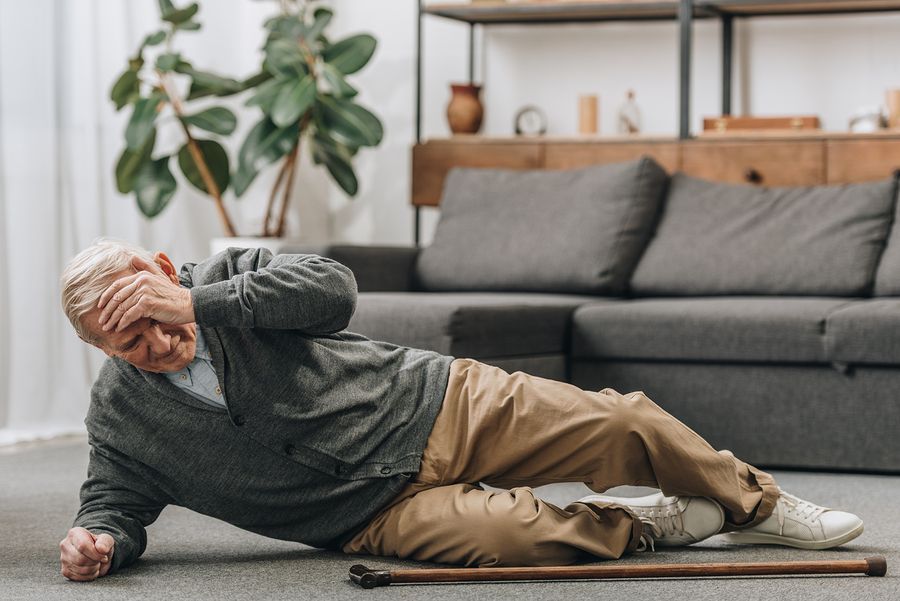
An elderly man is laying on the floor with a cane.

Falling is one of the top reasons seniors go to the hospital, so what if you could take small steps to help prevent a fall before it occurs. What are some of the causes of falls for seniors and what ways can you help to stop a fall from happening?


As we age mobility issues like muscle loss, balance problems, and joint stiffness begin to cause us to become susceptible to falls. We don’t want to lose our mobility because that means losing our independence. Once we can no longer walk like we used to, we cannot do anything like we used to. A lot of seniors are confined to a chair, or even worse, a bed. We need to take steps to prevent a fall before one happens to ensure they stay healthy and safe.


Are you or someone you love falling more often? Even if you’re falling and not hurting yourself now, it only takes one good fall to seriously injure yourself. Falling could be a cause of mobility issues and they need to be addressed before they worsen.


We all fall when we trip or stumble over something, but sometimes we fall because our feet are too slow to keep up, or they get off balance. Falling frequently can be cause for concern and can lead to injuries, and hospitalizations. Maybe you or your senior hasn’t fallen yet, that makes this the perfect time to retrofit your home with handrails, grab bars and non-slip tub mats. We want to prevent a fall before it happens.


Use an elevator whenever possible, not the stairs! Stairs can be extra hard for seniors because they require more strength, balance, and energy. Find ways to avoid stairs if possible. If you find there is no way to avoid them, please walk next to your senior to give them a sense of security. Even an escalator can be scary for seniors as they require balance to step onto the escalator and concentration to stand still and to step off.


Is your senior having a hard time standing up from the couch or lowering themselves onto the bed? This is an essential movement we use throughout the day; we use it to sit at the dinner table, go to the restroom, watch TV, going to bed, and so much more. If they are struggling with this simple movement, it may be time to speak with their doctor about a mobility device.


How is their balance? Are they having dizzy spells? This could be a sign of vertigo, low blood pressure, or a side effect from their medication. Having a proper cane or walker will help with balance issues in seniors.


Most importantly, make sure they exercise. I know this can be difficult when dealing with mobility issues, or they are afraid of falling, but regular exercise can help improve their balance and it also increases their overall health.


Exercise doesn’t have to be difficult, think of ways to make it fun! We need to work together to ensure our seniors don’t fall. Let’s prevent that hip from breaking before it has a chance!!!


By Donna Nichols February 2, 2026
Small Habits That Make a Big Difference February brings a soft reminder to pause and check in with the most loyal companion we have — our heart. It beats for us without asking, carrying us through decades of joy, loss, laughter, and change. American Heart Month invites us to honor that steady work with simple habits that help us feel stronger, more energized, and more connected. The Power of Small Steps Heart health doesn’t require dramatic resolutions or strict routines. In fact, the most meaningful changes are often the smallest ones — the ones we can weave into our day without feeling overwhelmed. A ten‑minute walk after breakfast. Choosing water before coffee. Stretching your arms and shoulders while waiting for the kettle to boil. Turning on a favorite song and letting your body sway a little. These tiny choices add up. They support circulation, boost mood, and remind us that caring for ourselves is still possible at every age. Movement That Meets You Where You Are Not everyone can take long walks or join a fitness class — and that’s okay. Gentle movement counts. • Marching your feet while seated • Rolling your shoulders to release tension • Standing up and sitting down a few times to strengthen your legs • Reaching toward the ceiling to open your chest Every bit of movement helps the heart do its job with less strain. Food That Loves You Back Heart‑healthy eating doesn’t have to be complicated. Think in terms of adding rather than restricting. • Add a handful of berries to breakfast • Add a few colorful vegetables to lunch • Add a sprinkle of nuts or seeds for healthy fats • Add one extra glass of water during the day Small additions feel doable — and they nourish the body in ways you can feel. Connection Is Heart Medicine, Too Loneliness can weigh on the heart just as much as physical strain. February is a wonderful time to reach out. Call a friend you haven’t spoken to in a while. Share a memory with a grandchild. Join a community activity, even if just for an hour. Let someone know you’re thinking of them. Human connection is one of the most powerful heart‑protective habits we have. A Month to Celebrate Your Strength Your heart has carried you through so much — every milestone, every challenge, every moment of joy. This month is not about perfection. It’s about honoring your resilience and choosing one or two small habits that make you feel good. A healthier heart doesn’t happen overnight. It happens in the quiet, steady choices we make each day. And February is the perfect time to begin.
By Donna Nichols January 12, 2026
The body content of your post goes here. To edit this text, click on it and delete this default text and start typing your own or paste your own from a different source.
By Donna Nichols January 9, 2026
The body content of your post goes here. To edit this text, click on it and delete this default text and start typing your own or paste your own from a different source.