

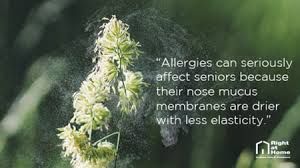
April in Florida means sunshine, flowers, and… pollen. Lots of pollen. For many seniors, allergy season can bring sneezing, itchy eyes, congestion, and fatigue — symptoms that can be frustrating but manageable with awareness and simple habits.
Here’s what older adults and caregivers should keep in mind as allergy season peaks.
1. Allergies Can Change Ov
er Time
Even if someone never had allergies before, they can develop later in life. The immune system shifts with age, and new sensitivities can appear. If symptoms show up suddenly each spring, allergies may be the reason.
2. Pollen Counts Are Highest in the Morning
For seniors who enjoy morning walks or porch time, this can be a surprise. On high‑pollen days, shifting outdoor time to later in the afternoon can make a big difference.
3. Staying Hydrated Helps Ease Symptoms
Water thins mucus, supports the immune system, and helps the body flush irritants. Seniors often drink less than they realize, so gentle reminders — a water bottle nearby, herbal tea, flavored water — can help.
4. Keep the Indoors as Allergen‑Free as Possible
A few simple habits go a long way:
• Keep windows closed on high‑pollen days
• Change air filters regularly
• Remove shoes at the door
• Shower or change clothes after being outside
These small steps help reduce the amount of pollen that sneaks indoors.
5. Pay Attention to New or Worsening Symptoms
If allergy symptoms feel different than usual, last longer than expected, or interfere with daily life, it’s a good time to check in with a healthcare provider. Sometimes what looks like allergies can be something else entirely.
A Breath of Fresh (and Cleaner) Air
Allergies may be part of spring, but they don’t have to steal the joy of the season. With a little awareness and a few simple habits, seniors can stay comfortable, active, and able to enjoy everything April has to offer.

5 Signs It May Be Time to Start the Senior Care Conversation

Simple Ways for Seniors to Enjoy the New Season with Movement

5 Signs It May Be Time to Start the Senior Care Conversation