What Seniors Need Most

Donna Nichols • August 2, 2024
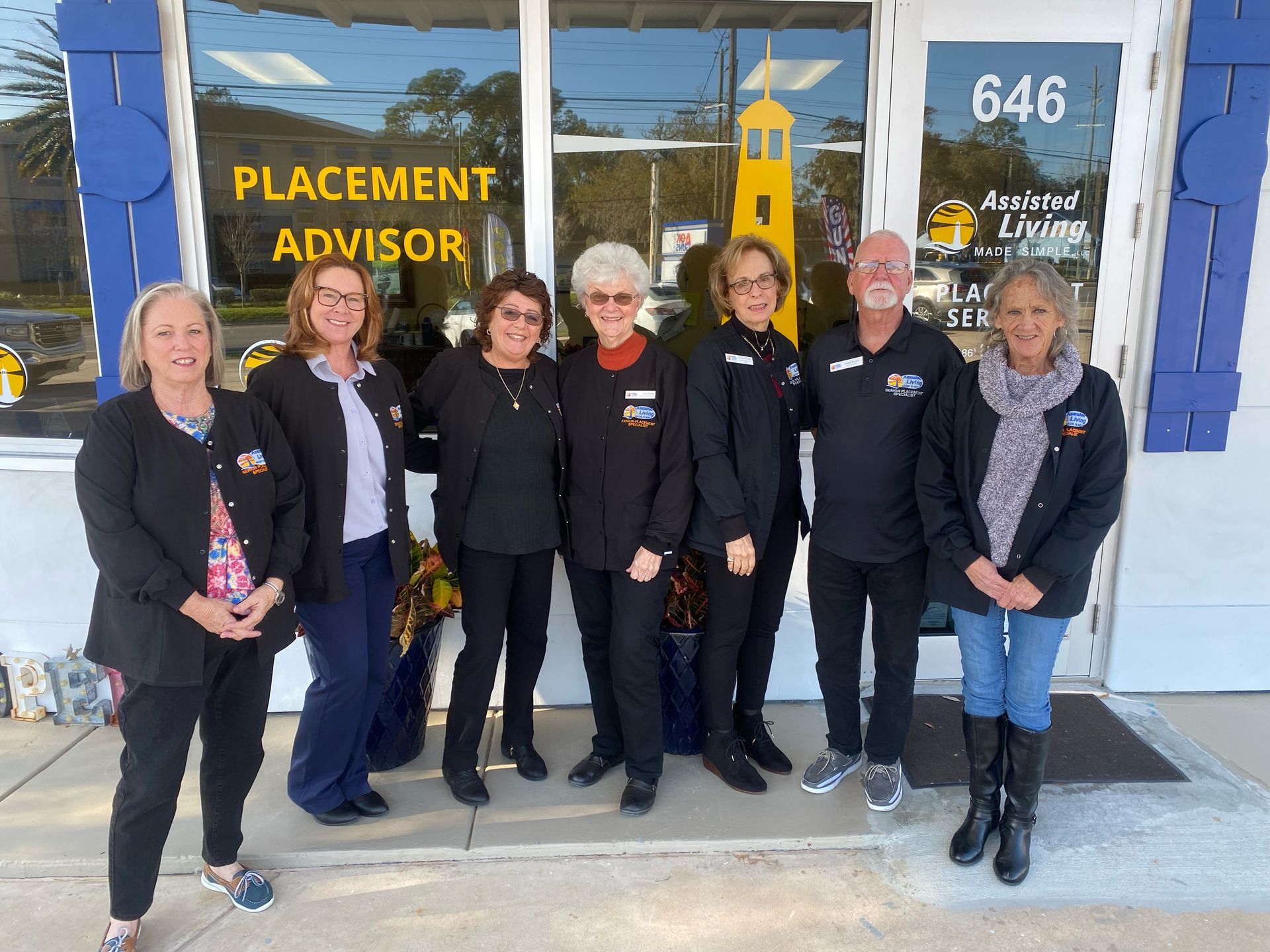
A group of people standing in front of a building that says placement advisor

The number one thing we find our seniors need most is advocates!! Not traditional advocates, they need advocates with HEART!!!! Advocates who do the job because they love it and love seniors. Love and heart should be the driving force of a senior advocate. If money drives them, then they won’t fight for the seniors like they should. Someone must defend the rights of those who cannot defend themselves.


Some people have lost their vision, therefore lost heart through the years and have become all about money. For five (5) days a week, eight (8) hours a day, they will do what the system allows them to do for our seniors. What happens when something arises on the weekend? Does that senior have your cell phone number? No, they have your office number, but you’re not there.


An advocate needs to be readily available because anything can happen at any given moment. And this is usually exactly when something happens, when you’re not available. But most people don’t get paid to work weekends. What if it was your mother or father? Wouldn’t you want someone fighting for them no matter what time or day it was? I would!!!


The advocates I am referring to are the social workers and case managers, who have lost heart in their positions. It’s not their fault, they have agendas because our health-care system has failed them. The system won’t let them do what is really needed for the senior. The policies they have are unfortunately the wrong ones. The system dictates how they must do their job, and sometimes the outcome is not the right one. Sure, they don’t like it, but there’s not much they can do about it short of quitting their job.


However, if you are an independent advocate, you don’t answer to the “system.” So, if you are at the end of your rope and don’t know where to turn or what to do, wouldn’t you like to know there are advocates that will help you with no hidden agenda? An advocate that has only you and your loved one(s) best interest at heart? Wouldn’t it be great to have someone say, “I got you!”? We can take the stress out of finding the perfect solution for your unique situation.

Assisted Living Made Simple are advocates with heart; we will fight for you or your loved one. We will assist you in whatever the case may be, whether you need assisted living, home health care, or just some guidance for your situation, we are here to help you.


Call us today for your free consultation 386-847-2322.



A logo for assisted living made simple inc.
By Donna Nichols April 17, 2026
The body content of your post goes here. To edit this text, click on it and delete this default text and start typing your own or paste your own from a different source.
By Donna Nichols April 2, 2026
April in Florida means sunshine, flowers, and… pollen. Lots of pollen. For many seniors, allergy season can bring sneezing, itchy eyes, congestion, and fatigue — symptoms that can be frustrating but manageable with awareness and simple habits. Here’s what older adults and caregivers should keep in mind as allergy season peaks. 1. Allergies Can Change Ov er Time Even if someone never had allergies before, they can develop later in life. The immune system shifts with age, and new sensitivities can appear. If symptoms show up suddenly each spring, allergies may be the reason. 2. Pollen Counts Are Highest in the Morning For seniors who enjoy morning walks or porch time, this can be a surprise. On high‑pollen days, shifting outdoor time to later in the afternoon can make a big difference. 3. Staying Hydrated Helps Ease Symptoms Water thins mucus, supports the immune system, and helps the body flush irritants. Seniors often drink less than they realize, so gentle reminders — a water bottle nearby, herbal tea, flavored water — can help. 4. Keep the Indoors as Allergen‑Free as Possible A few simple habits go a long way: • Keep windows closed on high‑pollen days • Change air filters regularly • Remove shoes at the door • Shower or change clothes after being outside These small steps help reduce the amount of pollen that sneaks indoors. 5. Pay Attention to New or Worsening Symptoms If allergy symptoms feel different than usual, last longer than expected, or interfere with daily life, it’s a good time to check in with a healthcare provider. Sometimes what looks like allergies can be something else entirely. A Breath of Fresh (and Cleaner) Air Allergies may be part of spring, but they don’t have to steal the joy of the season. With a little awareness and a few simple habits, seniors can stay comfortable, active, and able to enjoy everything April has to offer.
By Donna Nichols March 9, 2026
If you’ve ever walked into a room full of older adults and noticed the sweaters, shawls, and space heaters humming in the corner, you’re not imagining it — many seniors really do feel colder than everyone else. And it’s not just a quirk. There are real, physical reasons behind it, and understanding them can make daily life a lot more comfortable. 1. Our Internal Thermostat Changes Over Time As we age, the body becomes less efficient at regulating temperature. The internal “thermostat” in the brain doesn’t respond as quickly to cold, so seniors may feel chilly even when the room is warm enough for others. 2. Less Muscle = Less Heat Muscle mass naturally decreases with age, and muscle is what helps generate body heat. With less of it, the body simply produces less warmth. Even active seniors may notice they get cold more easily than they used to. 3. Thinner Skin and Reduced Circulation Skin becomes thinner over time, offering less insulation. On top of that, circulation often slows, meaning warm blood takes longer to reach hands, feet, and other extremities. This is why fingers and toes are often the first to feel icy. 4. Medications Can Play a Role Many common medications — including those for blood pressure, thyroid issues, or depression — can affect how warm or cold someone feels. It’s not always the medication itself, but how it interacts with the body’s temperature signals. 5. Underlying Health Conditions Conditions like anemia, diabetes, thyroid disorders, or poor circulation can all contribute to feeling cold. Sometimes, persistent chilliness is the body’s way of asking for a check-in with a healthcare provider. 6. Hydration and Nutrition Matter More Than You Think Dehydration and low-calorie intake can both make the body feel colder. Seniors who don’t drink enough water or who eat lightly may notice they’re chilly more often. Simple Ways to Stay Warm and Comfortable • Layer up with breathable fabrics • Keep moving — even gentle stretching boosts circulation • Warm beverages throughout the day • Use blankets or heated throws safely • Check room drafts and adjust thermostat settings • Talk with a doctor if coldness is new or worsening A Warm Note to Close Feeling cold isn’t a sign of weakness — it’s a natural part of aging. With a few small adjustments and a little awareness, seniors can stay cozy, comfortable, and confident all year long.