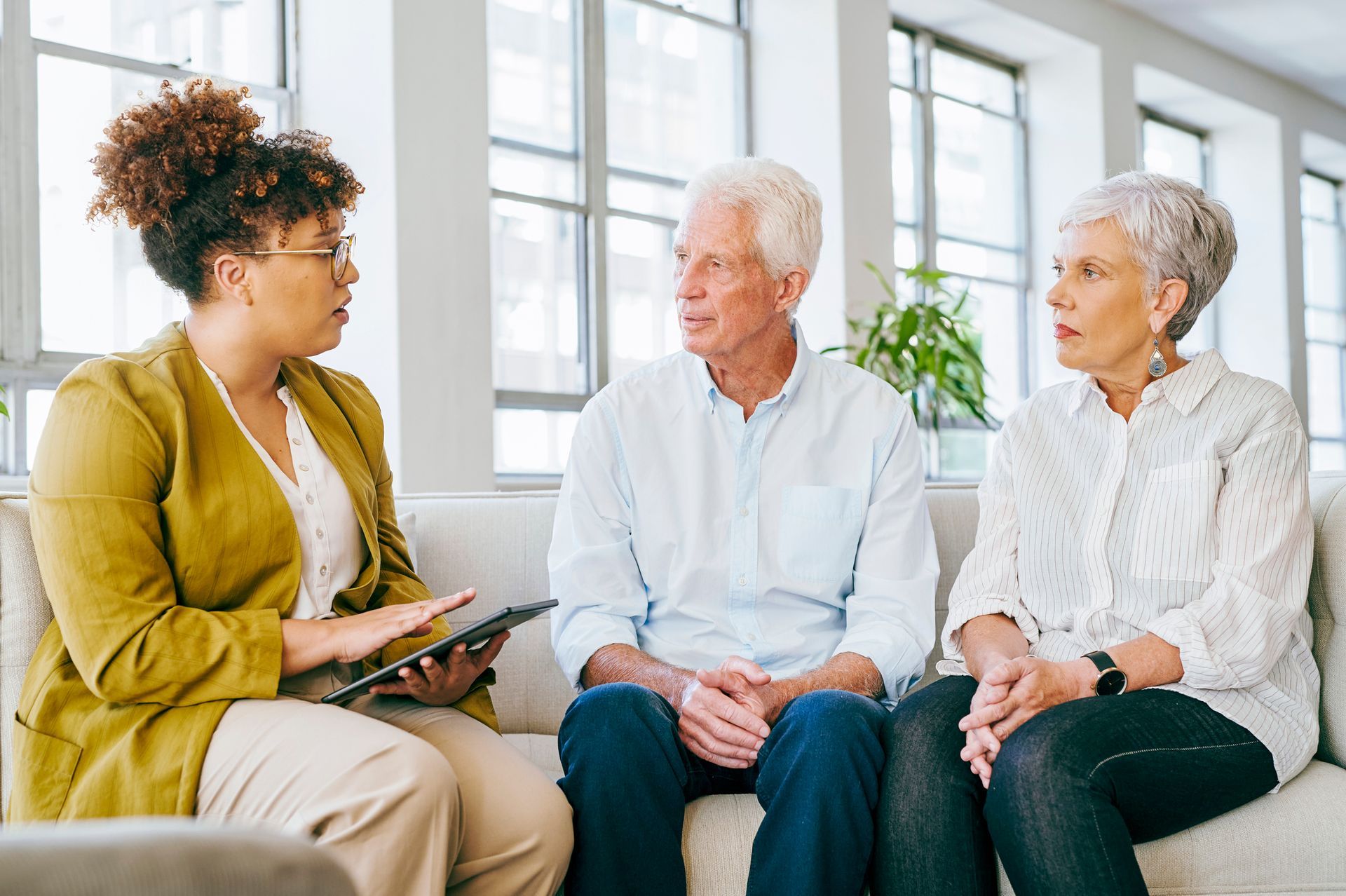
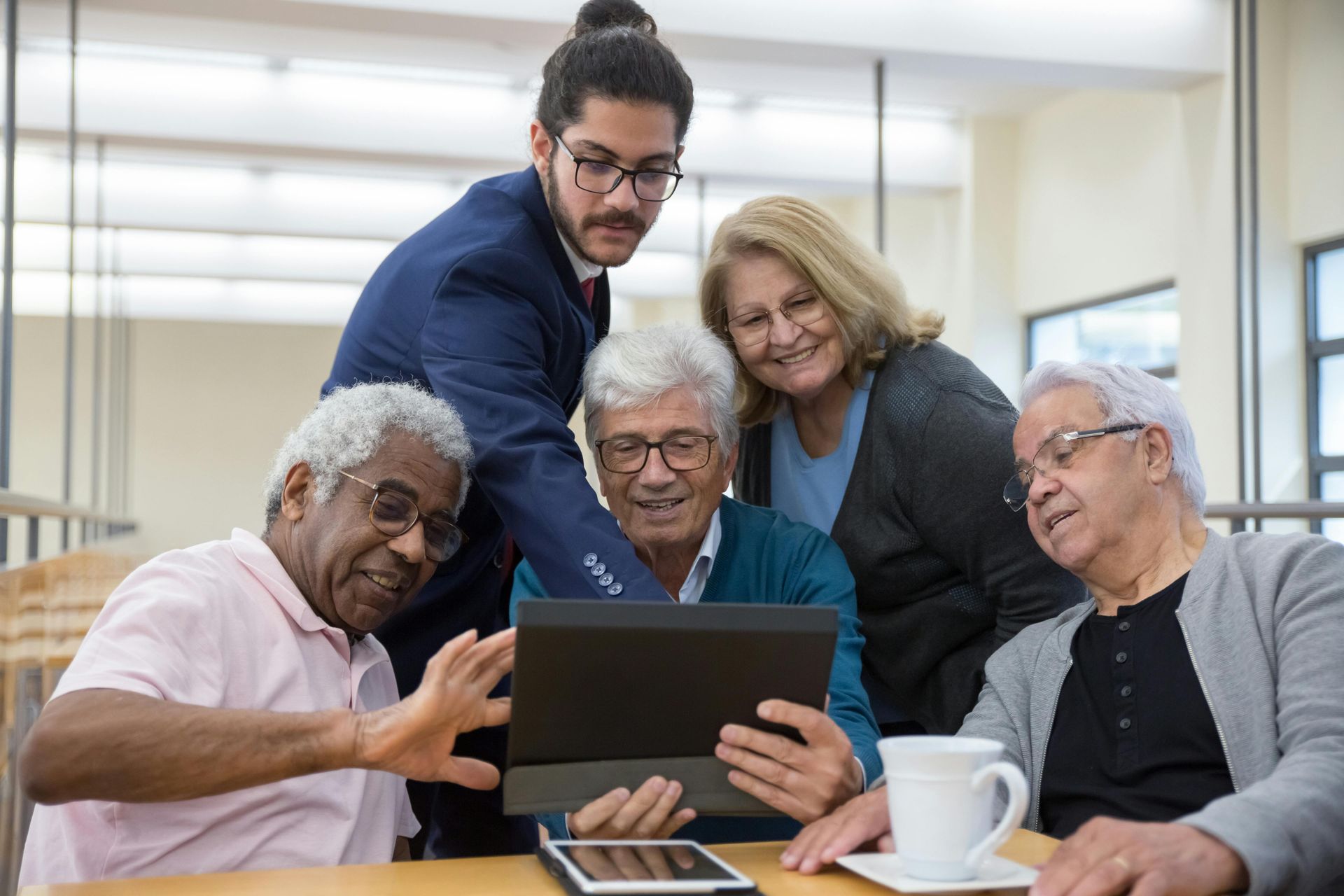
In a world that often moves too fast, senior advisors offer something rare and essential: time, understanding, and a steady hand. Unlike their counterparts in the business world, senior advisors in elder care aren’t focused on profit margins—they’re focused on people.


Who They Are


Senior advisors in this space are often seasoned professionals, caregivers, or community advocates who help older adults and their families navigate complex decisions. They may work in senior living communities, nonprofit organizations, healthcare systems, or independently.


What They Do


•          Guide families through transitions: Whether it's choosing assisted living or downsizing a home, senior advisors help make sense of it all.

•          Advocate for dignity and autonomy: They ensure that older adults’ voices are heard and respected in every decision.

•          Connect to resources: From transportation and wellness programs to Alzheimer’s and grief support, they know where to turn.

•          Offer emotional support: Sometimes, the most valuable thing they offer is a listening ear and a calming presence.


Why It Matters


A senior advisor isn’t just a resource—they’re a lifeline. They help families breathe easier, empower older adults to make informed choices, and bring compassion into moments that can feel overwhelming.


If you’re reading this and thinking, “That sounds like me,” you’re not alone. Many of us play this role informally, answering questions, calming nerves, and connecting dots. Whether you’re a professional advisor or a trusted neighbor, your presence makes a difference.


If you or someone you love is facing a big decision and could use a calm, caring guide—we’re here. No pressure, no jargon, just real people ready to help.

Call us today on 386-847-2322 to start the conversation. Sometimes, the first step is simply knowing you’re not alone.


By Donna Nichols June 3, 2026
What Assisted Senior Services Really Does — And How We Support Your Family
By Donna Nichols June 1, 2026
Meet Morgan: How Her Experience Strengthens the Heart of Assisted Senior Services - Donna Nichols
By Donna Nichols May 4, 2026
May is Melanoma and Skin Cancer Awareness Month, an important time to talk about protecting the skin we live in. Skin cancer is the most common cancer in the United States, and Florida’s year‑round sunshine makes awareness especially important for seniors. Many older adults grew up in a time before sunscreen was widely used, which means decades of sun exposure may increase risk today. Melanoma, the most serious form of skin cancer, can develop quickly — but when caught early, it is highly treatable. Other types of skin cancer, like basal cell and squamous cell carcinoma, are also common in seniors and often appear on areas that have seen the most sun over the years: the face, ears, neck, arms, and hands. What to look for: Early detection saves lives. Seniors should watch for: • New spots or moles • Changes in size, shape, or color • Spots that itch, bleed, or don’t heal • Anything that looks different from the rest Dermatologists often use the ABCDE rule to help identify concerning changes: Asymmetry, Border irregularity, Color variation, Diameter larger than a pencil eraser, and Evolving over time. Simple ways to protect your skin: • Wear a wide‑brimmed hat and lightweight long sleeves when outdoors • Use sunscreen with SPF 30 or higher and reapply regularly • Seek shade during peak sun hours (10 a.m. to 4 p.m.) • Avoid tanning beds • Schedule regular skin checks with a dermatologist, especially if you’ve had sunburns in the past Skin cancer awareness isn’t about avoiding the outdoors — it’s about enjoying it safely. Sunshine can lift our spirits, support healthy sleep, and encourage movement, but it’s important to protect ourselves along the way. With a few mindful habits and regular check‑ins, seniors can stay active, confident, and sun‑smart all year long.