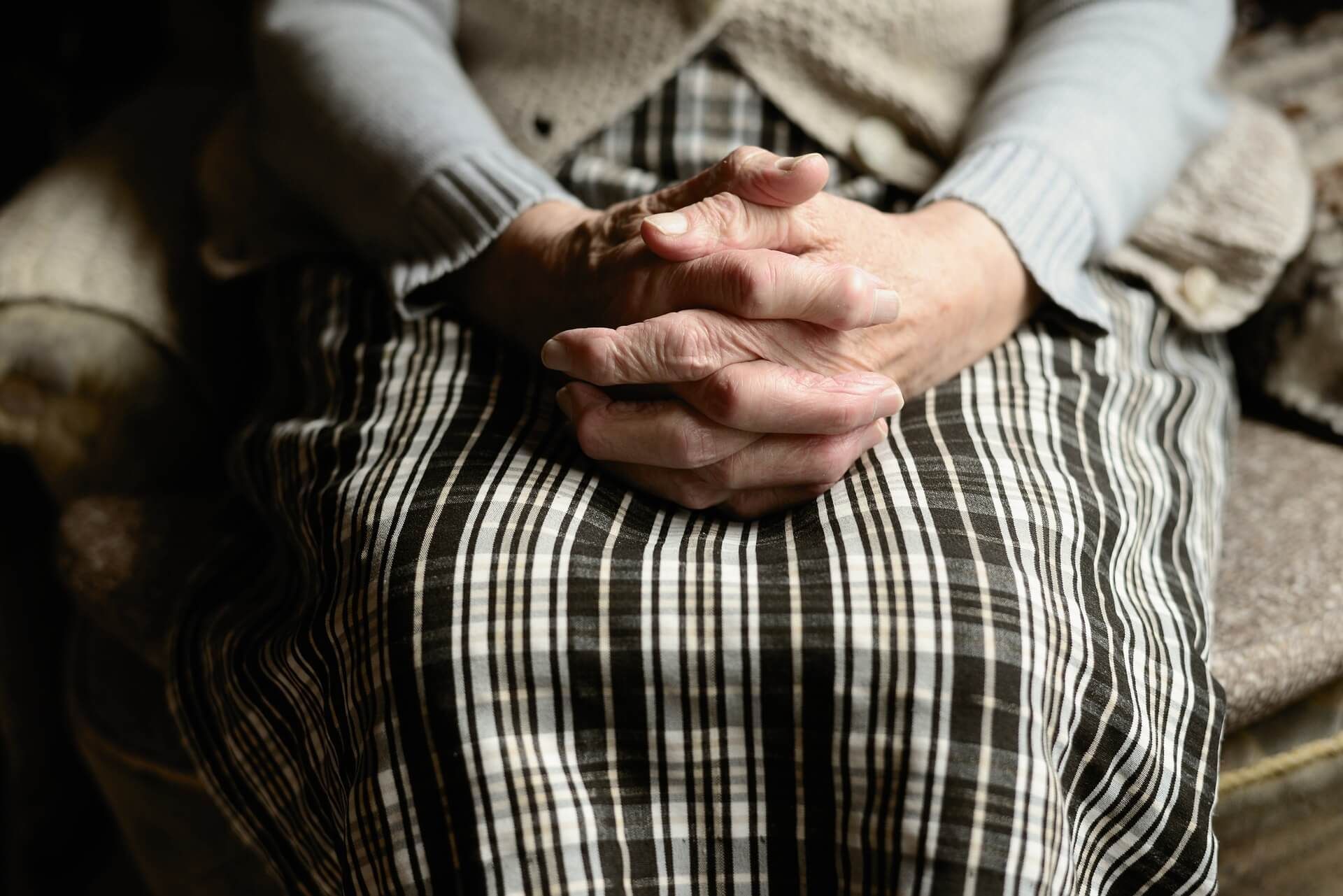
Loneliness can hit anyone at any age at any time. However, for seniors it occurs more often because most seniors live their entire adult life with a spouse, so once that spouse is gone, they do not know how to deal with being alone. Loneliness sets in very quickly. Lack of companionship can have a negative impact on your overall health. Not just lack of companionship of a spouse, it can be due to family, friends, and children living far away.
With Valentine’s Day just around the corner, loneliness and isolation can be enhanced. With all the media marketing about couples, love and vacations together going on, it can really throw a person over the edge. Make sure you check on your elderly loved one more often, especially if they are alone.
People get busy in their lives and just can’t seem to find the time to visit with their elderly family members. Loneliness can lead to severe health risks such as, depression, high blood pressure and heart disease. The lesser risks are headaches, body aches and pains and cold and flu-like symptoms.
The good news is you can prevent loneliness in your older adult. If they live alone, consider assisted or independent living; they can get the stimulation and interaction with others they crave. If they live with you and you work and they are home alone all day, consider adult day care. There are many programs in the assisted living communities, and they provide lunch and activities to keep them busy all day long.
Now is the perfect time to investigate assisted or independent living. These communities help people thrive in their final years and they know how to help them deal with the loneliness.
In these communities, the resident has their own apartment and have meals in a dining room where they interact with other seniors. The meals are generally home cooked by a chef and served by staff so they don’t have to cook or clean up either. They can stay and chat with the friends they will make and when they’re finished, they can retire back to their own apartment.
The communities have common rooms where they may have movie night, some of them have happy hours, and common patios, or garden areas. They promote socialization because they understand that loneliness leads to major health risks.
A lot of the communities have excursions as well. They go to local attractions, shopping trips, and some go out to lunch or the movies depending on how many people are interested.
No matter how you look at it, an assisted or independent living community can help your loved combat loneliness by encouraging socialization and supplying those of the same age and mind set for them to talk and engage with.
Still not sure if your loved one is a good fit for assisted or independent living? Give us a call today at 386-847-2322 for a FREE consultation. The call costs you nothing!! We are here to help!