

Nothing to Feel Thankful For

Donna Nichols • November 21, 2022
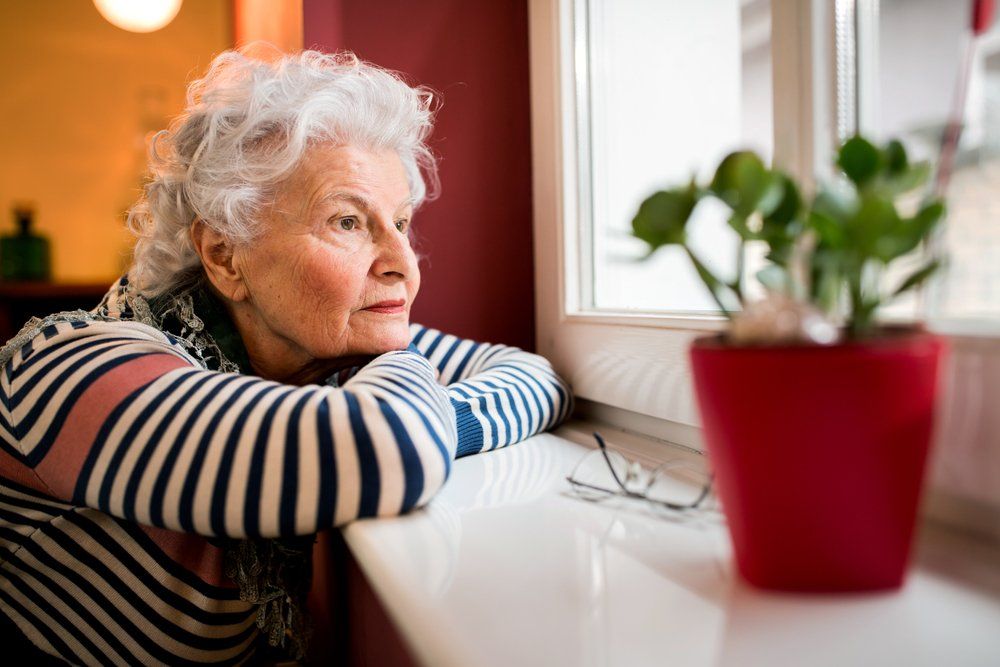
An elderly woman is leaning on a window sill looking out the window.

So, it’s Thanksgiving and you don’t feel very thankful, what’s wrong with you? Could be nothing; did you suffer a loss of some kind? Was there a traumatic event, such as a hurricane? Did you lose your job or have some bad health news? Any one of these things can make you feel less than thankful and like not celebrating the holiday. But you have family coming over and need to get over these feelings. How do I overcome feeling sadness, loneliness, or depression?


First, you should consult a doctor, your condition may be related to PTSD and there are medications and treatments for PTSD. Accept that these are your feelings and you just can’t help it. Hopefully these feelings will be gone by Christmas, if not, remember the steps you take to get through Thanksgiving and apply them to the Christmas and New Year holidays as well.


→       Don’t fake it. Do not “pretend” to be happy, this will only make you feel worse. Go into the day with your feelings the way they are and try the best you can to deal with them.


→       Try to avoid all confrontational situations. Whether it’s proving you are right about something or a relative who just gets under your skin, think about how you will handle the situation ahead of time.


→       Should you find yourself alone on Thanksgiving, make a plan about how you will spend the day ahead of time. Research what places will be open and maybe a little window shopping is just what the doctor ordered. If you prefer to be with others, ask a friend if you can join them, or maybe volunteer dishing out meals to others.


→       Treat yourself with compassion and understanding; everyone goes through rough patches at times and there is nothing wrong with you for feeling this way. Not feeling thankful on Thanksgiving does not make you a bad person, so accept your feelings for what they are this year and go easy on yourself.


→       End your long day with something to look forward to. You made it through a most difficult day and you should reward yourself. Cozy up with a good book and a cup of cocoa, take a long walk outside (weather permitting), go for a drive, or take a nice, warm bath. Whatever you choose to do, make sure it’s something rewarding.


We tend to think that we need to feel thankful and enjoy the holiday to have a wonderful day and if we don’t feel this way, we will have a terrible day. Most of us usually always have just an okay day with all kinds of ups and downs throughout the day. Don’t assume your day will be terrible because you aren’t thankful; find a way to realize it will be an okay day and get comfortable with that idea. There will be some pleasant moments and a few highlights no matter how you choose to spend your Thanksgiving.


We at Assisted Living Made Simple want to wish you all a happy and peaceful Thanksgiving holiday.



By Donna Nichols March 9, 2026
If you’ve ever walked into a room full of older adults and noticed the sweaters, shawls, and space heaters humming in the corner, you’re not imagining it — many seniors really do feel colder than everyone else. And it’s not just a quirk. There are real, physical reasons behind it, and understanding them can make daily life a lot more comfortable. 1. Our Internal Thermostat Changes Over Time As we age, the body becomes less efficient at regulating temperature. The internal “thermostat” in the brain doesn’t respond as quickly to cold, so seniors may feel chilly even when the room is warm enough for others. 2. Less Muscle = Less Heat Muscle mass naturally decreases with age, and muscle is what helps generate body heat. With less of it, the body simply produces less warmth. Even active seniors may notice they get cold more easily than they used to. 3. Thinner Skin and Reduced Circulation Skin becomes thinner over time, offering less insulation. On top of that, circulation often slows, meaning warm blood takes longer to reach hands, feet, and other extremities. This is why fingers and toes are often the first to feel icy. 4. Medications Can Play a Role Many common medications — including those for blood pressure, thyroid issues, or depression — can affect how warm or cold someone feels. It’s not always the medication itself, but how it interacts with the body’s temperature signals. 5. Underlying Health Conditions Conditions like anemia, diabetes, thyroid disorders, or poor circulation can all contribute to feeling cold. Sometimes, persistent chilliness is the body’s way of asking for a check-in with a healthcare provider. 6. Hydration and Nutrition Matter More Than You Think Dehydration and low-calorie intake can both make the body feel colder. Seniors who don’t drink enough water or who eat lightly may notice they’re chilly more often. Simple Ways to Stay Warm and Comfortable • Layer up with breathable fabrics • Keep moving — even gentle stretching boosts circulation • Warm beverages throughout the day • Use blankets or heated throws safely • Check room drafts and adjust thermostat settings • Talk with a doctor if coldness is new or worsening A Warm Note to Close Feeling cold isn’t a sign of weakness — it’s a natural part of aging. With a few small adjustments and a little awareness, seniors can stay cozy, comfortable, and confident all year long.
By Donna Nichols March 3, 2026
Spring has a way of softening the world. The air warms, the light lingers, and suddenly the small things — a bird call, a new bloom, a gentle breeze — feel like invitations to breathe a little deeper. For many seniors, especially those carrying grief, stress, or the weight of a long winter, March can feel like a quiet turning point. Here’s why spring so often brings emotional renewal, no matter your age. 1. Light Returns, and So Does Energy Longer days naturally lift mood. More sunlight helps regulate sleep, boosts energy, and gently nudges the body out of winter’s heaviness. Even a few minutes outside can shift the way the day feels. 2. Nature Models Healing Spring is a season of second chances. Trees bud again, flowers push through the soil, and the world rebuilds itself without rushing. For seniors navigating loss or change, this slow, steady renewal can feel reassuring — a reminder that healing isn’t linear, but it is possible. 3. Movement Feels More Natural Warmer weather encourages small steps: a walk to the mailbox, a few minutes on the porch, tending to a plant. These simple movements help ease stiffness, improve mood, and reconnect the body with the world around it. 4. Social Life Blossoms Too As the weather improves, people naturally come out of hibernation. Neighbors chat outside, community events pick up, and families gather more often. Even brief interactions can brighten a day and reduce feelings of isolation. 5. Spring Encourages Reflection — and Release There’s something about fresh air and open windows that invites a mental reset. Many seniors find themselves sorting through memories, letting go of what no longer serves them, and making space for what’s next. A Season That Meets You Where You Are Spring doesn’t demand big changes. It simply offers gentle reminders: you’re still growing, still healing, still here. Whether you’re grieving, rebuilding, or simply ready for a lighter season, March brings a quiet kind of hope — one that arrives softly and stays.
By Donna Nichols February 5, 2026
The body content of your post goes here. To edit this text, click on it and delete this default text and start typing your own or paste your own from a different source.