

Different Types of Breast Cancer

Donna Nichols • October 13, 2022

Do you know the different types of breast cancer?
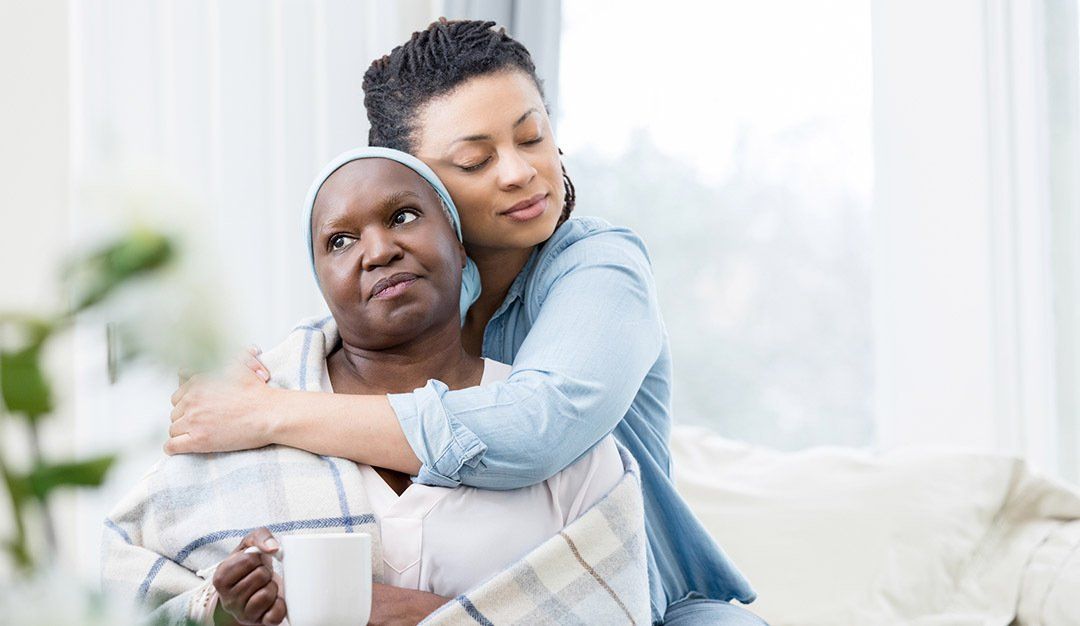
A woman is hugging an older woman on a couch.

Did you know there are MANY different types of breast cancers?


I sure didn’t and couldn’t believe how many there are so I thought I’d share some with you!


  • Ductal Carcinoma In Situ (DCIS)


This is a non-invasive breast cancer and starts inside the milk ducts. It’s not life threatening, but can lead to an invasive type of breast cancer later on. There are generally no signs or symptoms, but some may experience a discharge from the nipples or a lump in the breast.


  • Invasive Ductal Carcinoma (IDC)


This is the most common type of breast cancer and invasive means cancer has spread to the breast tissues. If not treated, this cancer can spread to lymph nodes and possibly other areas of the body. This too may not show any signs or symptoms and usually first shows up in a mammogram which is why regular screening is so important.


  • Invasive Lobular Carcinoma (ILC) 


This is the second most common type of breast cancer and begins in the milk-carrying ducts and spreads beyond. Sometimes, the first sign of ILC is a hardening in the breast that can be felt, or the nipple may turn inward.


  • Inflammatory Breast Cancer


This is a rare and very aggressive form of breast cancer. It starts with reddening and swelling of the breast and can grow and spread quickly, worsening in a few hours to a few days. The breasts swell and become inflamed because the cancer cells clog the vessels that carry lymph.


  • Lobular Carcinoma In Situ (LCIS)


This is not a true breast cancer and is usually diagnosed before menopause age. There are no signs or symptoms and is found only when the breast is biopsied for some other reason.


  • Male Breast Cancer 


This is very rare, but can happen because men have breast tissue which are usually just mounds of fat. Men can develop breast cancer from certain types of medications they take. The symptoms are the same as they are for women.


  • Triple Negative Breast Cancer


This type of breast cancer is not caused by hormones, but by a specific gene which means it is hereditary. This cancer does not respond well to medications and is very aggressive, but there are therapies available to treat it.


  • Paget’s Disease of the Nipple


This is a rare form where the cancer cells collect around the nipple. Paget’s disease causes the nipple to become red, sore, flaky and scaly. There can also be itching, burning, pain and swelling.


  • Phyllodes Tumors of the Breast


These are extremely rare and tend to develop in women in their 40’s. The most common symptom is a lump your doctor can feel when examining the breast. They tend to grow rapidly, are generally not painful and can create a visible bulge as it pouches against the skin.


  • Recurrent Breast Cancer


This is a cancer that comes back in the same or opposite breast after a period of time. Sometimes a single cancer cell can survive radiation and chemo and is able to grow into a new tumor.


  • Metastatic Breast Cancer


This is the type of cancer that has spread to other parts of the body through the bloodstream and lymph nodes. Most women feel helpless when diagnosed with metastatic breast cancer, but there are treatments that can control it for a number of years. Make sure you gather all the information needed to help you make a sound and well-informed decision about your particular situation.


As you can see, there are many types of breast cancer and I didn’t even cover all of them.


Please visit breastcancer.org for more information on these and the other types of breast cancers.


And PLEASE get regular mammograms!! Early detection is the KEY!!!


By Donna Nichols December 2, 2025
The body content of your post goes here. To edit this text, click on it and delete this default text and start typing your own or paste your own from a different source.
By Donna Nichols November 13, 2025
As Thanksgiving approaches, we’re reminded that gratitude isn’t just a holiday tradition — it’s a way of life. At Assisted Senior Services, we see it daily: in the quiet strength of caregivers, the wisdom of our seniors, and the small moments that make a big difference. We believe gratitude is more than a feeling. It’s a practice. A way of seeing the world, even in challenging times. For seniors, caregivers, and families, this season can stir a mix of emotions. There may be joy in gathering, but also grief, fatigue, or change. That’s why we hold space for all of it — and honor the quiet strength it takes to keep showing up with love. Gratitude doesn’t erase hardship, but it helps us carry it. It reminds us that even in uncertainty, there are still ordinary gifts: a warm hand to hold, a shared laugh, a moment of peace. Whether you’re caring for a loved one, navigating new challenges, or simply pausing to reflect, this season invites us to slow down and appreciate the ordinary gifts around us — a warm smile, a shared story, a helping hand. We are grateful for: • The families who trust us to walk alongside them, through transitions and triumphs. • The caregivers who show up with compassion and grace. • The caregivers who offer comfort, dignity, and patience every single day. • The seniors who teach us resilience, humor, and the value of every day – reminding us of what really matters. This Thanksgiving, we honor your journey. We celebrate your courage. And we’re here to support you — not just during the holidays, but all year long. So, whether your Thanksgiving is bustling or quiet, traditional or tender, we hope you find something to hold onto — and someone to hold it with. From all of us at Assisted Senior Services, thank you for being part of our community. We’re honored to support you, and we wish you a season filled with warmth, connection, and care. Happy Thanksgiving!
By Donna Nichols November 5, 2025
A Tender Season for Tender Hearts As the holidays approach, grief can feel especially sharp. The empty chair at the table, the missing voice in a favorite carol, the traditions once shared—all can stir deep memories and longing. This season, give yourself permission to feel it all. Whether you're lighting a candle in remembrance or simply sitting quietly with your thoughts, know that your love still lives at every moment you honor it. You're not alone in this. Many are walking through the holidays with tender hearts, and together, we can find comfort, connection, and peace. When Someone You Love Is Gone: Grief in Our Later Years As we grow older, we come to understand life in ways we never could when we were young. We learn what truly matters. We value time, quiet moments, and the people who’ve shared the journey with us. And sometimes, we find ourselves facing one of life’s most difficult truths: saying goodbye to someone we’ve loved for decades. Loss in our later years feels different, whether it’s a spouse, a sibling, a lifelong friend, or a partner in the everyday routines of life. It comes after a shared history, after raising families, building homes, facing hard times, and celebrating joys. When that kind of bond is broken, the world doesn’t just feel quieter. It feels unfamiliar. A Different Kind of Grief Grief in our senior years carries a certain weight. It’s not just about the person we’ve lost—it’s about the life we built with them—the morning coffee routines, the inside jokes no one else would understand, the hand we held through every season of life. It’s also about identity. Many lose someone they love and a part of who they were when they were with them. There’s no time limit to this kind of sorrow. Some days, we might feel strong and steady. Other days, a photograph or a familiar song can bring us to our knees. That’s the nature of deep love—it echoes. Quiet Spaces After a loss, the house can feel too big. The calendar is too empty. Conversations can feel lonelier without the one who always knew what to say—or when not to say anything. But it’s okay to feel those things. You’re not doing anything wrong if grief lingers. You’re not expected to "move on" in any set amount of time. Some losses become part of who we are. We carry the people we love with us—not just in memory but in the way we live—in the recipes we still make, the phrases we still say, and the stories we still tell. Finding Comfort, Bit by Bit There may come a day when you feel the sun again—not just on your skin, but in your spirit. A day when the laughter of grandchildren warms something inside you. When you speak your loved one’s name and smile instead of crying. These moments are not betrayals of your grief. They’re signs of your love still growing, still finding new ways to live in the world. You are allowed joy, rest, and the ability to miss them forever while still living a beautiful life. You’re Not Alone If you’re walking through grief now, take heart in knowing you’re not walking alone. In these later chapters of life, many of us are navigating the same path. And sometimes, just speaking their name or sharing a story over a cup of tea can make all the difference. Let others in. Join a group, call an old friend, or write down your thoughts. Sometimes, healing comes not from forgetting but from remembering—together. Because love doesn't end. Not with age. Not with time. Not even with death. It simply changes shape and stays with us, always. Assisted Senior Services hosts a grief support group on the first Wednesday of each month at All Saints Lutheran Church, 751 Dunlawton Ave., Port Orange, FL. The group begins at 5:00 p.m. Please join us should you need support; it is free to attend.