

How to Stay Safe Outdoors this Summer
Another great article in the June 2023 AARP Bulletin discusses ways to stay safe this summer. It covers ways to stay safe around the house, around town, when you travel and outdoors. This is the final section and will cover ways to stay safe when you are outside. Each section was written by different experts, so I will highlight some of the bullet points for you here.
James Williams says that more people 50 and older are taking diuretics, antihistamines, or beta-blockers, each of which can increase the risk of heat-related illnesses in the summer. He says drinking water helps, but electrolytes like Gatorade, Powerade, or Vitamin water is better. Get out of the heat upon any signs of heat exhaustion, including heavy sweating, thirst, pale or clammy skin, headache, or dizziness.
James further states that in as little as 30 minutes, heat exhaustion can progress to disabling or deadly heat stroke, which can damage internal organs. Symptoms can include hot, dry, red skin; profuse sweating; confusion; slurred speech; or loss of consciousness. Move anyone with these more advanced symptoms to a cooler location immediately, then call 911.
Stephen P. Leatherman speaks on ocean hazards and the strong rip currents. He says a rip current can sweep even the strongest of swimmers away from the shore and more than 80 percent of U.S. beach lifeguard rescues are of people caught in a rip current. If you’re caught in a rip current, don’t panic, and don’t exhaust yourself trying to fight your way back to shore; call and wave for help, then try to swim parallel to the shore to get out of the current.
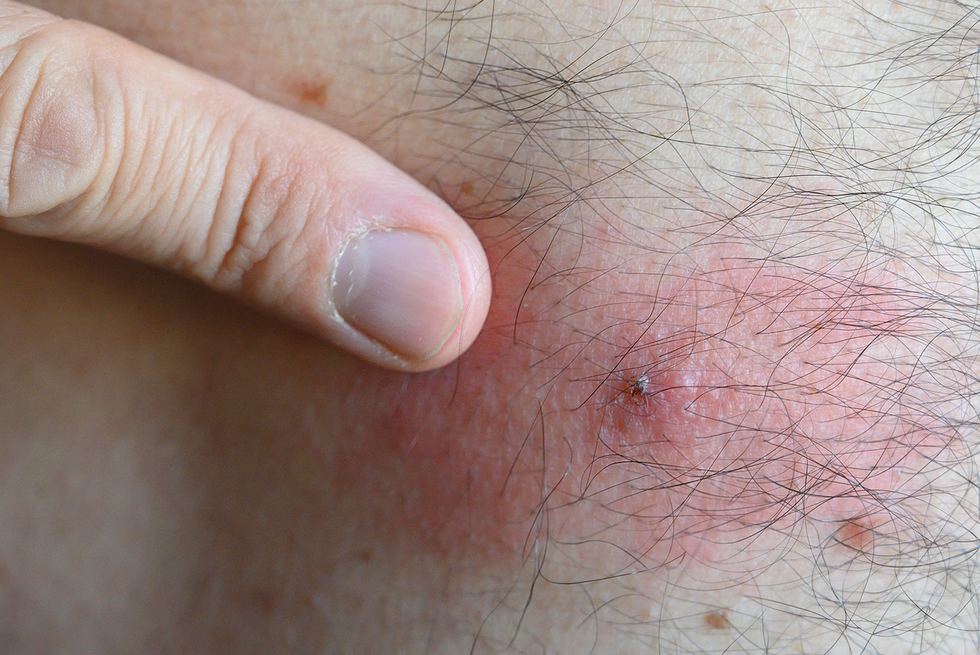
Goudarz Molaei says that ticks carry Lyme disease, and they thrive in warm and humid weather. While tall grass and wooded areas are prime tick locations, in nearly 75 percent of reported Lyme disease cases, bites occurred in people’s own backyards. He says before going into the woods, put on light-colored clothing and a long-sleeved shirt, tuck your pants into your socks, and use DEET or another tick repellant. Back home, do a thorough tick check on your body; quickly remove a tick using tweezers.
Londa Nwadike is all about the foodborne illnesses that can arise from the high temperatures that cause bacteria to grow quickly on food. To keep your picnic from being ruined by symptoms like vomiting, diarrhea, and stomach cramps, keep food refrigerated or in ice-filled coolers during transport and until it’s time to eat.
Nathan P. Charlton discusses how the hot, dry weather is expected to increase the presence of stinging insects, including wasps, hornets, and yellow jackets. At picnics, cover your food and drink. Don’t wear sweet-smelling lotions or perfumes outside. If a stinging insect comes your way, calmly back up. Don’t swat, this will make it feel threatened.
Gregory G. Papadeas says to make sure you use a broad-spectrum sunscreen with a sun protection factor (SPF) of 30 or higher to avoid sunburn. He cautions though, not to make the mistake of thinking it lasts all day; you must repeat it every 80 to 90 minutes – more often if you sweat or swim.
Donald Belsito points out that poison ivy is thriving thanks to rising soil temperatures and carbon dioxide in the air. If you think you’ve been exposed to poison ivy, use soap and water to wash body parts that may have come in contact with it. Also wash your clothing and any tools you’ve used, since the skin irritant from poison ivy can cling to items for years. Treat mild cases with hydrocortisone and calamine lotion.
As stated, I just pointed out the bullet points, to read the entire sections, pick up the AARP Bulletin. This wraps up the stay safe this summer section. I hope you find some valuable tips in my blogs to keep you safe!