Gratitude in Every Season

Donna Nichols • November 13, 2025
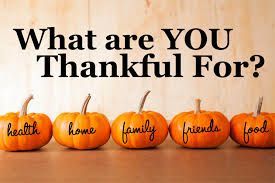
As Thanksgiving approaches, we’re reminded that gratitude isn’t just a holiday tradition — it’s a way of life. At Assisted Senior Services, we see it daily: in the quiet strength of caregivers, the wisdom of our seniors, and the small moments that make a big difference. We believe gratitude is more than a feeling. It’s a practice. A way of seeing the world, even in challenging times.

For seniors, caregivers, and families, this season can stir a mix of emotions. There may be joy in gathering, but also grief, fatigue, or change. That’s why we hold space for all of it — and honor the quiet strength it takes to keep showing up with love.

Gratitude doesn’t erase hardship, but it helps us carry it. It reminds us that even in uncertainty, there are still ordinary gifts: a warm hand to hold, a shared laugh, a moment of peace.

Whether you’re caring for a loved one, navigating new challenges, or simply pausing to reflect, this season invites us to slow down and appreciate the ordinary gifts around us — a warm smile, a shared story, a helping hand.

We are grateful for:

• The families who trust us to walk alongside them, through transitions and triumphs.

• The caregivers who show up with compassion and grace.

• The caregivers who offer comfort, dignity, and patience every single day.

• The seniors who teach us resilience, humor, and the value of every day – reminding us of what really matters.

This Thanksgiving, we honor your journey. We celebrate your courage. And we’re here to support you — not just during the holidays, but all year long.
So, whether your Thanksgiving is bustling or quiet, traditional or tender, we hope you find something to hold onto — and someone to hold it with.

From all of us at Assisted Senior Services, thank you for being part of our community. We’re honored to support you, and we wish you a season filled with warmth, connection, and care.

Happy Thanksgiving!

By Donna Nichols May 4, 2026
May is Melanoma and Skin Cancer Awareness Month, an important time to talk about protecting the skin we live in. Skin cancer is the most common cancer in the United States, and Florida’s year‑round sunshine makes awareness especially important for seniors. Many older adults grew up in a time before sunscreen was widely used, which means decades of sun exposure may increase risk today. Melanoma, the most serious form of skin cancer, can develop quickly — but when caught early, it is highly treatable. Other types of skin cancer, like basal cell and squamous cell carcinoma, are also common in seniors and often appear on areas that have seen the most sun over the years: the face, ears, neck, arms, and hands. What to look for: Early detection saves lives. Seniors should watch for: • New spots or moles • Changes in size, shape, or color • Spots that itch, bleed, or don’t heal • Anything that looks different from the rest Dermatologists often use the ABCDE rule to help identify concerning changes: Asymmetry, Border irregularity, Color variation, Diameter larger than a pencil eraser, and Evolving over time. Simple ways to protect your skin: • Wear a wide‑brimmed hat and lightweight long sleeves when outdoors • Use sunscreen with SPF 30 or higher and reapply regularly • Seek shade during peak sun hours (10 a.m. to 4 p.m.) • Avoid tanning beds • Schedule regular skin checks with a dermatologist, especially if you’ve had sunburns in the past Skin cancer awareness isn’t about avoiding the outdoors — it’s about enjoying it safely. Sunshine can lift our spirits, support healthy sleep, and encourage movement, but it’s important to protect ourselves along the way. With a few mindful habits and regular check‑ins, seniors can stay active, confident, and sun‑smart all year long.
By Donna Nichols April 17, 2026
The body content of your post goes here. To edit this text, click on it and delete this default text and start typing your own or paste your own from a different source.
By Donna Nichols April 2, 2026
April in Florida means sunshine, flowers, and… pollen. Lots of pollen. For many seniors, allergy season can bring sneezing, itchy eyes, congestion, and fatigue — symptoms that can be frustrating but manageable with awareness and simple habits. Here’s what older adults and caregivers should keep in mind as allergy season peaks. 1. Allergies Can Change Ov er Time Even if someone never had allergies before, they can develop later in life. The immune system shifts with age, and new sensitivities can appear. If symptoms show up suddenly each spring, allergies may be the reason. 2. Pollen Counts Are Highest in the Morning For seniors who enjoy morning walks or porch time, this can be a surprise. On high‑pollen days, shifting outdoor time to later in the afternoon can make a big difference. 3. Staying Hydrated Helps Ease Symptoms Water thins mucus, supports the immune system, and helps the body flush irritants. Seniors often drink less than they realize, so gentle reminders — a water bottle nearby, herbal tea, flavored water — can help. 4. Keep the Indoors as Allergen‑Free as Possible A few simple habits go a long way: • Keep windows closed on high‑pollen days • Change air filters regularly • Remove shoes at the door • Shower or change clothes after being outside These small steps help reduce the amount of pollen that sneaks indoors. 5. Pay Attention to New or Worsening Symptoms If allergy symptoms feel different than usual, last longer than expected, or interfere with daily life, it’s a good time to check in with a healthcare provider. Sometimes what looks like allergies can be something else entirely. A Breath of Fresh (and Cleaner) Air Allergies may be part of spring, but they don’t have to steal the joy of the season. With a little awareness and a few simple habits, seniors can stay comfortable, active, and able to enjoy everything April has to offer.