Celebrating 250 Years of Independence: Honoring America’s Seniors
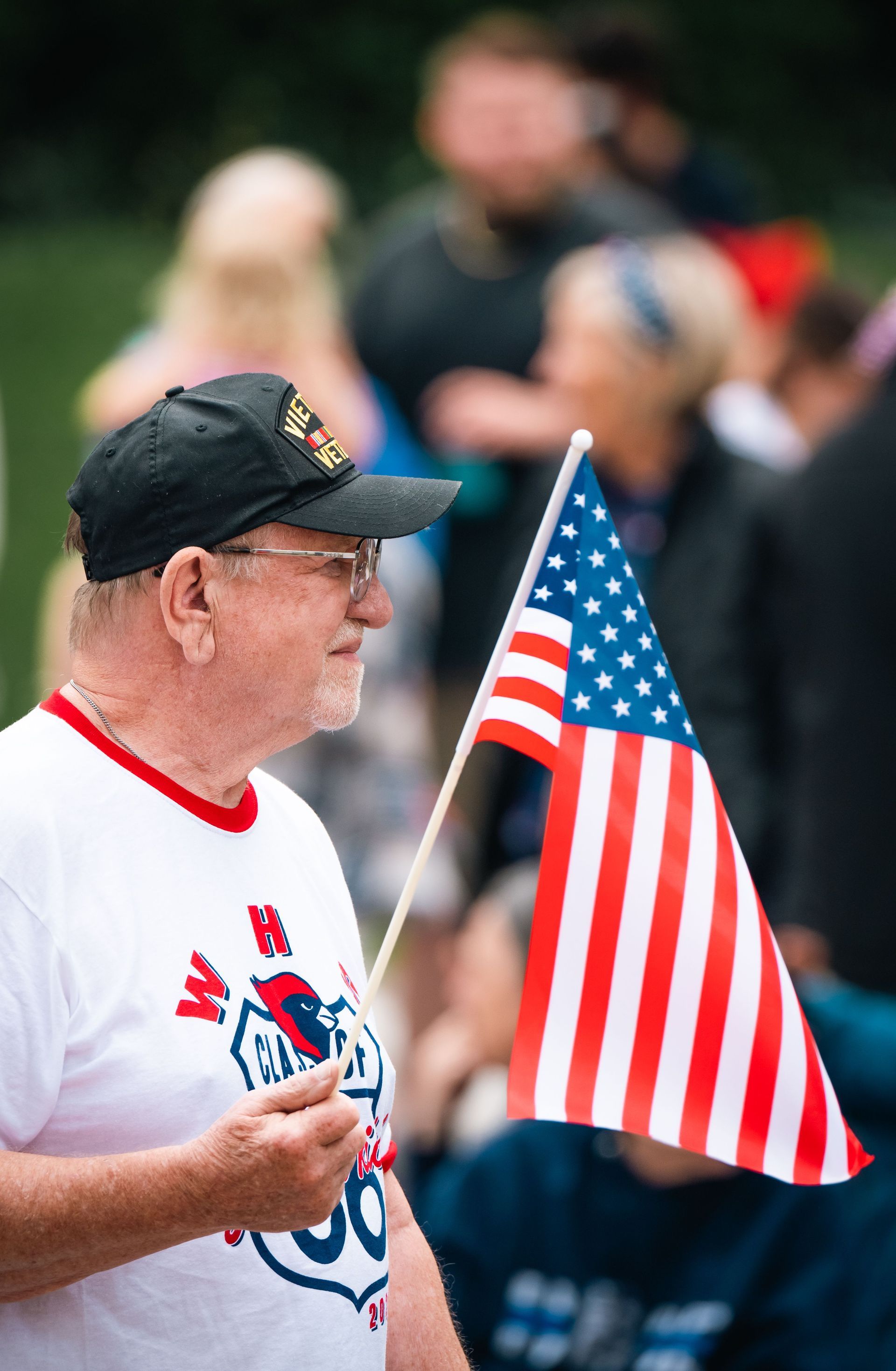
July 2026 marks a milestone unlike any other — 250 years of American independence. At Assisted Senior Services, we believe this anniversary is more than a historical celebration. It’s a moment to honor the seniors who lived the chapters of America’s story and helped shape the communities we serve today.


Why the 250th Anniversary Matters for Senior Communities


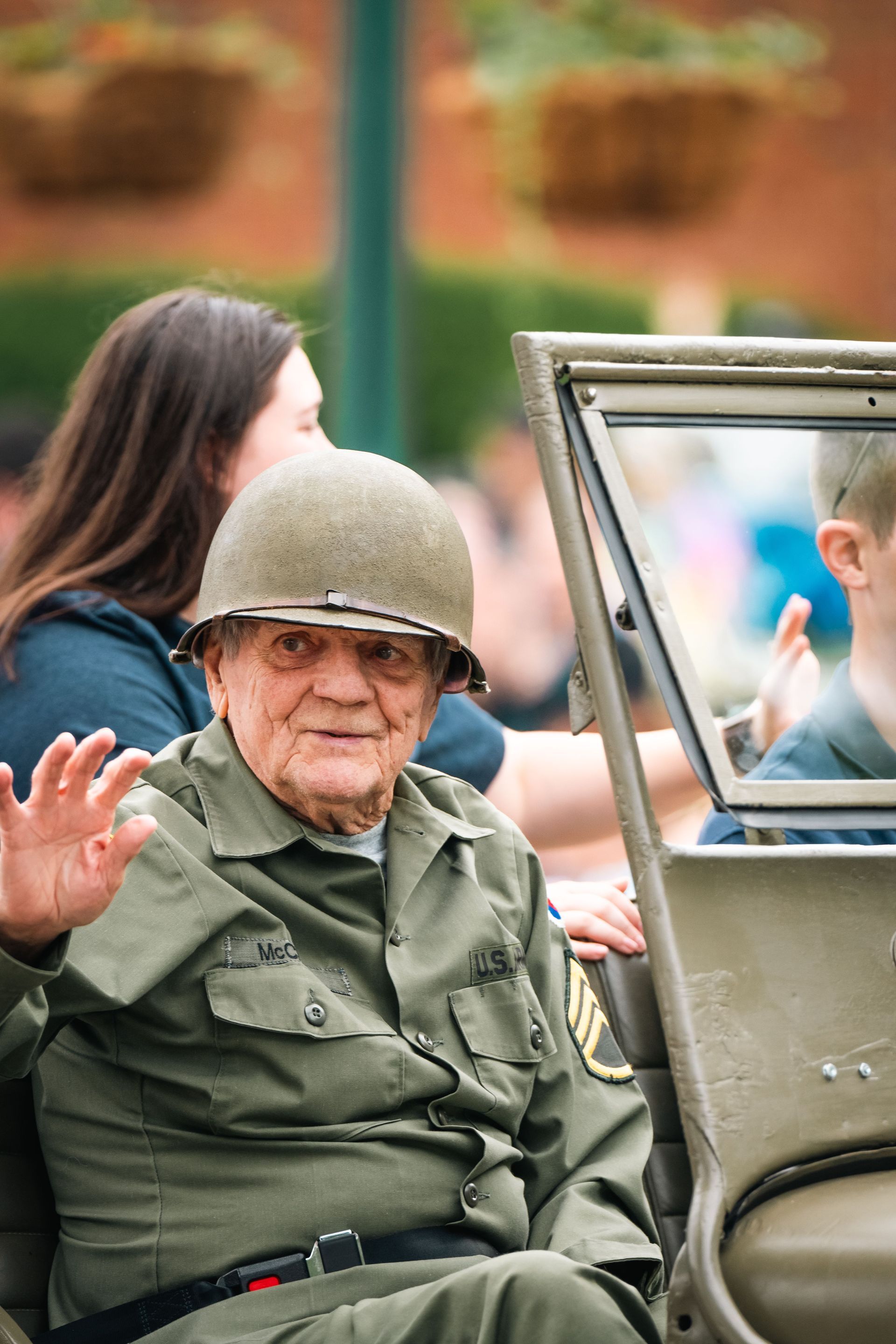
Our seniors carry firsthand memories of cultural shifts, technological leaps, military service, and traditions that define what it means to be American. Their stories enrich our understanding of independence and remind us that freedom is built through resilience, compassion, and community.


Honoring the Generations Who Built Our Communities


Every day, we meet seniors who:


  • Served in the military
  • Raised families through changing eras
  • Built local businesses
  • Passed down traditions that still bring communities together


Their contributions are woven into the fabric of Volusia and Flagler counties.


Celebrating Independence Through Connection


This July, we encourage families to celebrate by:


  • Listening to a senior’s favorite Fourth of July memory
  • Sharing patriotic traditions
  • Spending time together outdoors
  • Bringing seniors into community events


Independence is a national milestone — but for seniors, it’s also a personal journey.


Assisted Senior Services is honored to support that journey every day.

By Donna Nichols June 3, 2026
What Assisted Senior Services Really Does — And How We Support Your Family
By Donna Nichols June 1, 2026
Meet Morgan: How Her Experience Strengthens the Heart of Assisted Senior Services - Donna Nichols
By Donna Nichols May 4, 2026
May is Melanoma and Skin Cancer Awareness Month, an important time to talk about protecting the skin we live in. Skin cancer is the most common cancer in the United States, and Florida’s year‑round sunshine makes awareness especially important for seniors. Many older adults grew up in a time before sunscreen was widely used, which means decades of sun exposure may increase risk today. Melanoma, the most serious form of skin cancer, can develop quickly — but when caught early, it is highly treatable. Other types of skin cancer, like basal cell and squamous cell carcinoma, are also common in seniors and often appear on areas that have seen the most sun over the years: the face, ears, neck, arms, and hands. What to look for: Early detection saves lives. Seniors should watch for: • New spots or moles • Changes in size, shape, or color • Spots that itch, bleed, or don’t heal • Anything that looks different from the rest Dermatologists often use the ABCDE rule to help identify concerning changes: Asymmetry, Border irregularity, Color variation, Diameter larger than a pencil eraser, and Evolving over time. Simple ways to protect your skin: • Wear a wide‑brimmed hat and lightweight long sleeves when outdoors • Use sunscreen with SPF 30 or higher and reapply regularly • Seek shade during peak sun hours (10 a.m. to 4 p.m.) • Avoid tanning beds • Schedule regular skin checks with a dermatologist, especially if you’ve had sunburns in the past Skin cancer awareness isn’t about avoiding the outdoors — it’s about enjoying it safely. Sunshine can lift our spirits, support healthy sleep, and encourage movement, but it’s important to protect ourselves along the way. With a few mindful habits and regular check‑ins, seniors can stay active, confident, and sun‑smart all year long.