5 Myths About Memory Care

Donna Nichols • December 9, 2021

Let’s Debunk the Five Biggest Myths when it comes to Memory Care

There are so many myths out there about Memory Care Communities that are just not true. We will shed some light on the most common five (5) myths when it comes to memory care.

Debunking the 5 Myths about Memory Care

Myth #1 – The biggest myth is that your loved one will have no interaction.

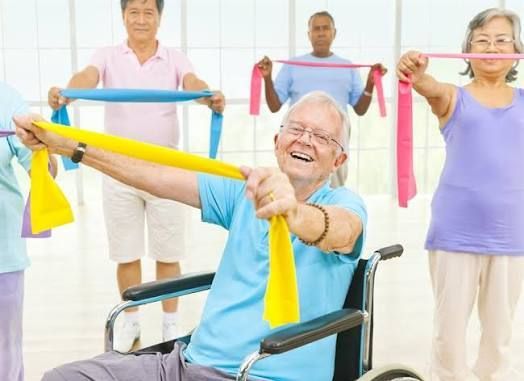
This is simply not true! The memory care communities we recommend in Palm Coast have many engaging activities for all of the memory care residents to enjoy together.

Some of the activities include:

Just to name a few.

So, if you think your loved one will have nothing to do and be isolated, think again. They’ll probably want to come home to get some rest and relaxation!

Seniors can choose to opt-out of the activities if they prefer to be alone. The communities offer outside areas where they can sit or walk around; some even offer spa services.

Myth #2 – Another myth is that all memory care communities are the same.

Another big falsity.

All communities range in what is provided based on the needs of the client. The memory care communities are no different; they range from basic care services to more advanced services depending on the level of care needed for your loved one.

This is why we at Assisted Living Made Simple personally escort you to at least three (3) different communities so you have a chance to see the differences for yourself and are able to make the best decision for your loved one’s unique situation.

Myth #3 – My loved one will lose their independence.

No way!

They may gain more independence in a memory care community. They will be able to go outside (with supervision) and have much more freedom than if they were home with you or a caregiver. Memory care communities have specialized trained staff to care for residents and their job is to ensure their safety. The staff is not trying to prepare dinner, do the laundry, run errands and watch the resident; they’re only there to watch the resident. This will also help ease your mind knowing your loved one is being well taken care of.

Myth #4 – My loved one’s health will decline.

If anything, their health will improve due to the wellness approach and healthy meals our Palm Coast Memory Care communities offer. Every day they offer exercises, healthy snacks and nutritious meals. They have a smoothie bar where the resident can get a nice, refreshing, healthy smoothie as well.

Myth #5 – Memory care costs so much money.

Yes, memory care communities are not cheap, but how can you put a price on caring for your loved one? Remember, the community is taking care of everything for your loved one; ensuring they thrive during possibly the final days, months, years of their life.

If you’re worried that you can’t afford a memory care community for your loved one, give us a call and let us see if we can help you find any extra cash, or the perfect community for your situation.

If you’re looking for other senior living articles and resources then click here.

Got Questions?
Need Help?

By Donna Nichols March 9, 2026
If you’ve ever walked into a room full of older adults and noticed the sweaters, shawls, and space heaters humming in the corner, you’re not imagining it — many seniors really do feel colder than everyone else. And it’s not just a quirk. There are real, physical reasons behind it, and understanding them can make daily life a lot more comfortable. 1. Our Internal Thermostat Changes Over Time As we age, the body becomes less efficient at regulating temperature. The internal “thermostat” in the brain doesn’t respond as quickly to cold, so seniors may feel chilly even when the room is warm enough for others. 2. Less Muscle = Less Heat Muscle mass naturally decreases with age, and muscle is what helps generate body heat. With less of it, the body simply produces less warmth. Even active seniors may notice they get cold more easily than they used to. 3. Thinner Skin and Reduced Circulation Skin becomes thinner over time, offering less insulation. On top of that, circulation often slows, meaning warm blood takes longer to reach hands, feet, and other extremities. This is why fingers and toes are often the first to feel icy. 4. Medications Can Play a Role Many common medications — including those for blood pressure, thyroid issues, or depression — can affect how warm or cold someone feels. It’s not always the medication itself, but how it interacts with the body’s temperature signals. 5. Underlying Health Conditions Conditions like anemia, diabetes, thyroid disorders, or poor circulation can all contribute to feeling cold. Sometimes, persistent chilliness is the body’s way of asking for a check-in with a healthcare provider. 6. Hydration and Nutrition Matter More Than You Think Dehydration and low-calorie intake can both make the body feel colder. Seniors who don’t drink enough water or who eat lightly may notice they’re chilly more often. Simple Ways to Stay Warm and Comfortable • Layer up with breathable fabrics • Keep moving — even gentle stretching boosts circulation • Warm beverages throughout the day • Use blankets or heated throws safely • Check room drafts and adjust thermostat settings • Talk with a doctor if coldness is new or worsening A Warm Note to Close Feeling cold isn’t a sign of weakness — it’s a natural part of aging. With a few small adjustments and a little awareness, seniors can stay cozy, comfortable, and confident all year long.
By Donna Nichols March 3, 2026
Spring has a way of softening the world. The air warms, the light lingers, and suddenly the small things — a bird call, a new bloom, a gentle breeze — feel like invitations to breathe a little deeper. For many seniors, especially those carrying grief, stress, or the weight of a long winter, March can feel like a quiet turning point. Here’s why spring so often brings emotional renewal, no matter your age. 1. Light Returns, and So Does Energy Longer days naturally lift mood. More sunlight helps regulate sleep, boosts energy, and gently nudges the body out of winter’s heaviness. Even a few minutes outside can shift the way the day feels. 2. Nature Models Healing Spring is a season of second chances. Trees bud again, flowers push through the soil, and the world rebuilds itself without rushing. For seniors navigating loss or change, this slow, steady renewal can feel reassuring — a reminder that healing isn’t linear, but it is possible. 3. Movement Feels More Natural Warmer weather encourages small steps: a walk to the mailbox, a few minutes on the porch, tending to a plant. These simple movements help ease stiffness, improve mood, and reconnect the body with the world around it. 4. Social Life Blossoms Too As the weather improves, people naturally come out of hibernation. Neighbors chat outside, community events pick up, and families gather more often. Even brief interactions can brighten a day and reduce feelings of isolation. 5. Spring Encourages Reflection — and Release There’s something about fresh air and open windows that invites a mental reset. Many seniors find themselves sorting through memories, letting go of what no longer serves them, and making space for what’s next. A Season That Meets You Where You Are Spring doesn’t demand big changes. It simply offers gentle reminders: you’re still growing, still healing, still here. Whether you’re grieving, rebuilding, or simply ready for a lighter season, March brings a quiet kind of hope — one that arrives softly and stays.
Text overlay
By Donna Nichols February 5, 2026
February may not bring snow to Florida, but it still carries its own kind of winter — cooler mornings, shorter days, and a natural pull toward staying indoors. For older adults, this season is a gentle reminder to slow down, stay steady, and take good care of body and spirit. A Season for Paying Attention Winter has a way of making us less aware of our bodies. We move a little slower. We drink less water. We stay inside longer. These small shifts can affect balance, energy, and overall well‑being. The good news is that a few simple habits can make February feel safer, brighter, and more comfortable. Keep Your Space Safe and Well‑Lit Falls often happen not because of weakness, but because of poor lighting or clutter. A few small adjustments can make a big difference. • Turn on the lights before walking into a room • Keep pathways clear of shoes, bags, or small rugs • Use nightlights in hallways and bathrooms • Make sure frequently used items are within easy reach A safe home is a confident home. Supportive Shoes — Even Indoors Many seniors prefer slippers or socks inside, but these can be slippery or unstable. Supportive shoes with a good grip help prevent falls and maintain strong posture. Think of them as your indoor “winter boots” — steady, comfortable, and protective. Hydration Matters, Even When It’s Cool When the weather isn’t hot, it’s easy to forget to drink water. But hydration affects everything: energy, digestion, mood, and even balance. Try keeping a glass of water near your favorite chair or sipping warm herbal tea throughout the day. Your body will feel the difference. Stay Organized with Medications Winter is a good time to check in with your medication routine. • Are your pill organizers easy to open • Do you have refills ready • Are your medications stored in a visible, convenient place A little organization prevents missed doses and reduces stress. Connection Keeps the Cold Away Even in sunny Florida, winter can feel isolating. Shorter days and quieter routines can make anyone feel a bit lonely. Reach out to someone this month — a friend, a neighbor, a family member. A five‑minute conversation can warm the whole day. If you’re part of a senior community or church group, February is a wonderful time to join an activity, attend a luncheon, or simply sit with others. Human connection is one of the best wellness tools we have. Gentle Movement Keeps You Strong You don’t need a gym or a long walk to stay active. Try: • Light stretching in the morning • Standing up and sitting down a few times to strengthen your legs • A slow walk around the house or yard • Simple balance exercises while holding onto a counter Movement keeps joints flexible, muscles strong, and spirits lifted. A Month for Self‑Kindness February invites us to be gentle with ourselves. To rest when we need to. To move when we can. To reach out when we feel alone. To take small steps that help us feel safe, steady, and cared for. Winter won’t last forever — but the habits you build now can support you all year long.